

Nature’s Eternal Religion by Ben Klassen
Author: Ben KlassenPages: 647Year: 2011Categories:Non-fiction Politics & Current Affairs Sociology Tags:20th Century Ideology Community Organization Controversial Literature Cultural Theory Extremist Literature Historical Study Ideological Study Moral Philosophy Political Philosophy Pseudo-Religious Thought Racialist Ideology Radical Politics Social Hierarchy Social Theory Sociopolitical Thought SummaryNature’s Eternal Religion presents the author’s perspective on racialist ideology, proposing a worldview in which the preservation and advancement of a particular race is framed as a moral and spiritual imperative. The book combines philosophical, cultural, and pseudo-religious arguments to advocate for a social order aligned with Klassen’s beliefs.Read Extended AbstractNature’s Eternal Religion by Ben Klassen is a work that outlines the author’s racialist and ideological philosophy, presenting a framework in which the preservation and advancement of a specific race is depicted as a moral and spiritual obligation. Klassen combines philosophical, cultural, and pseudo-religious arguments to articulate his vision of a society organized around racial identity and hierarchy. The book discusses themes such as racial solidarity, community building, and the perceived threats to the continuity and purity of the race, framing these concerns in moral and spiritual terms. While controversial and widely criticized, the work exemplifies the ways in which extremist ideologies attempt to blend cultural, ethical, and spiritual arguments to justify political and social agendas. It is often studied critically to understand the intellectual and rhetorical strategies of white supremacist movements and racialist literature. Download

Foundations of National Socialism by Bishop Alois K. Hudal
Author: Bishop Dr. Alois K. HudalGenre: Non-Fiction Pages: 273Categories:History Non-fiction Politics & Current Affairs Tags:Academic Community Cultural Foundations Extremist Literature Governance History Ideological Study Intellectual History Leadership National Socialism Nonfiction Political Ideology Political Theory Radical Politics Social Organization SummaryFoundations of National Socialism explores the ideological, cultural, and historical principles that the author associates with National Socialist thought. The work discusses political organization, social values, and moral foundations, aiming to provide a systematic framework for understanding the movement’s beliefs and objectives.Read Extended AbstractFoundations of National Socialism by Hermann Hudal is a work that examines the ideological and philosophical underpinnings of National Socialist thought. The book addresses the historical, cultural, and social influences that the author considers central to the development of National Socialism, discussing its moral and political principles. Hudal explores topics such as leadership, community, nationalism, and social cohesion, presenting these as foundational elements for understanding and implementing the movement’s objectives. The text also engages with questions of governance, societal organization, and the role of ideology in shaping collective identity. By articulating these principles, Hudal seeks to provide a systematic framework for analyzing National Socialism not only as a political movement but also as a broader social and cultural phenomenon. While written from a sympathetic perspective, the work is often studied critically in historical and ideological scholarship to understand the intellectual currents and arguments used to support National Socialist ideology.Related BooksEugenics by Irving FisherMeditations by Marcus AureliusOn the Latin Language by VarroTrotsky and The Jews Behind the Russian Revolution by a Former Russian Commisar

Guerrilla Warfare by Ernesto “Che” Guevara
Author: Ernesto "Che" GuevaraGenre: Non-Fiction Pages: 61Year: 1961Categories:History Military Non-fiction Politics & Current Affairs Tags:Armed Resistance Che Guevara Cuban Revolution Guerrilla Tactics Guerrilla Warfare Insurgency Latin American History Military Strategy Nonfiction Political Ideology Revolutionary Movements Revolutionary Theory Small Unit Tactics Tactics Warfare Manual SummaryGuerrilla Warfare is a military and political manual by Che Guevara that outlines strategies, tactics, and principles for conducting guerrilla insurgencies. Drawing from Guevara’s experiences in the Cuban Revolution, the book emphasizes the role of small, mobile forces, popular support, and political organization in challenging established armies and achieving revolutionary objectives.Read Extended AbstractGuerrilla Warfare by Che Guevara is a practical and theoretical guide to conducting insurgent warfare, based on Guevara’s experiences as a key figure in the Cuban Revolution. The text outlines the organization, strategies, and tactics required for small, mobile revolutionary forces to engage and defeat larger, conventional military units. Guevara emphasizes the importance of political and ideological preparation, popular support, and the integration of military action with social and political objectives. The book discusses the formation and training of guerrilla units, the selection of terrain, methods of ambush and sabotage, and approaches to sustaining morale and cohesion under challenging conditions. Guevara also addresses the psychological and social dimensions of insurgency, highlighting the need for revolutionary consciousness among fighters and civilians alike. Guerrilla Warfare serves as both a manual for armed resistance and a theoretical reflection on the role of guerrilla movements in achieving political change, influencing revolutionary thought and insurgent strategies worldwide.Related BooksEugenics by Irving FisherMeditations by Marcus AureliusOn the Latin Language by VarroTrotsky and The Jews Behind the Russian Revolution by a Former Russian Commisar

The Great Gatsby by F. Scott Fitzgerald
Author: F. Scott FitzgeraldGenre: Fiction Pages: 168Year: 1953Categories:Fiction Historical Fiction Romance Tragedy Tags:1920s American Dream Classic Literature Fiction Historical Fiction Jay Gatsby Love Novel Obsession Roaring Twenties Romance Social Class Social Critique Tragedy Wealth SummaryThe Great Gatsby follows Jay Gatsby, a wealthy and enigmatic man, as he pursues his obsession with Daisy Buchanan during the opulent Roaring Twenties. Through Gatsby’s rise and eventual downfall, the novel explores themes of ambition, love, social status, and the elusive nature of the American Dream.Read Extended AbstractThe Great Gatsby by F. Scott Fitzgerald is a novel set in the 1920s, chronicling the life of Jay Gatsby, a wealthy and mysterious man known for his extravagant parties on Long Island. Narrated by Nick Carraway, Gatsby’s neighbor and confidant, the story explores Gatsby’s obsessive pursuit of his former love, Daisy Buchanan, highlighting the tension between idealized dreams and harsh reality. Fitzgerald examines the moral and social decadence of the Roaring Twenties, exposing the emptiness behind wealth, status, and glamour. Through themes such as the American Dream, social stratification, love, and obsession, the novel critiques the notion that material success leads to fulfillment. Gatsby’s rise and tragic fall serve as a cautionary tale about the dangers of ambition detached from reality, the fragility of idealism, and the societal forces that shape human desire and disappointment.Related BooksAnna Karenina by Leo TolstoyThe Clouds by AristophanesAesop’s Fables by AesopSeven Against Thebes by Aeschylus

The March Up Country by Harold A. Covington
Author: Harold A. CovingtonGenre: Fiction Pages: 122Year: 1987Categories:Adventure/Action Essays & Commentary Fiction Political-Fiction Sociology Tags:Adventure Community Building Group Dynamics Identity Ideology Leadership Political Fiction Separatism Settler Society Speculative Fiction Strategy Survival SummaryThe March Up Country follows a group of settlers as they journey into and attempt to colonize a remote and challenging territory, facing both natural obstacles and opposition from external forces. The novel explores themes of survival, leadership, and the maintenance of communal identity under the pressures of conflict and harsh conditions.Read Extended AbstractThe March Up Country by Harold Covington is a political fiction novel that follows a group of settlers as they venture into a remote, undeveloped region with the goal of establishing a self-sufficient community. The narrative emphasizes the physical, social, and ideological challenges of colonization, including harsh environmental conditions, logistical difficulties, and opposition from external forces. Covington examines how leadership, cooperation, and adherence to shared principles are critical to the group’s survival and success. The novel also explores the development of communal identity, cohesion, and governance within the settler group, highlighting the tensions between individual ambitions and collective goals. Through episodic adventure and character-driven storytelling, The March Up Country presents a blend of speculative political thought and survival narrative, illustrating both the practical and ideological dimensions of founding and sustaining a community under pressure.Related BooksAnna Karenina by Leo TolstoyThe Clouds by AristophanesAesop’s Fables by AesopSeven Against Thebes by Aeschylus
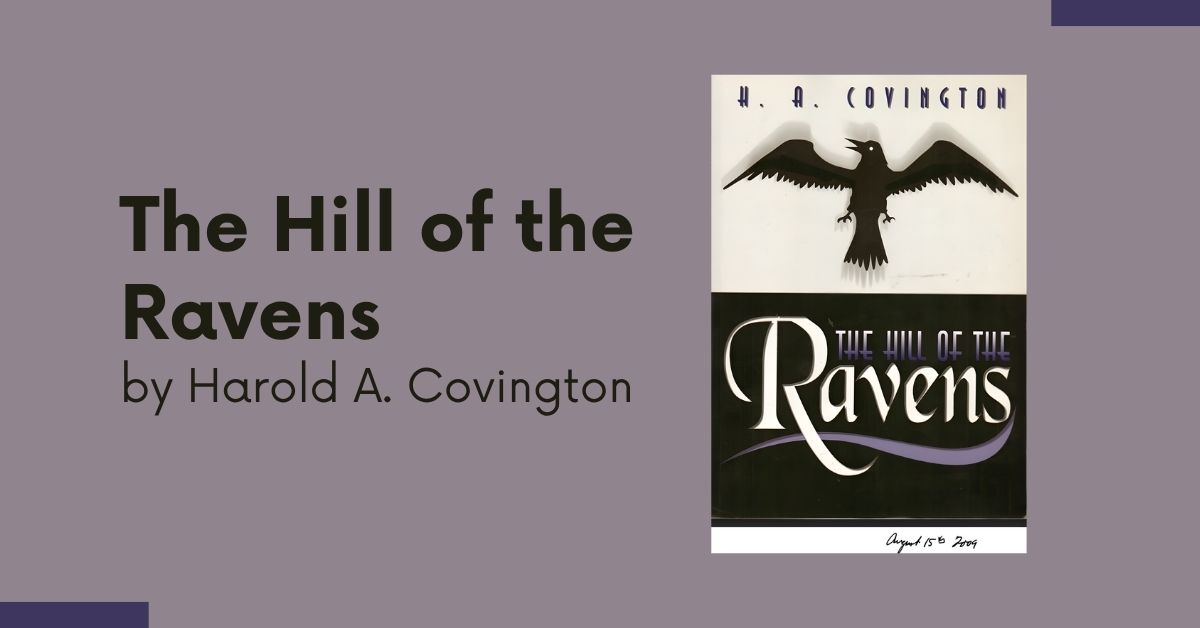
The Hill of the Ravens by Harold A. Covington
Author: Harold A. CovingtonGenre: Fiction Pages: 362Year: 2006Categories:Adventure/Action Essays & Commentary Fiction Political-Fiction Sociology Tags:Adventure Community Building Group Dynamics Identity Ideology Leadership Political Fiction Self-Sufficiency Separatism Settler Society Speculative Fiction Strategy Survival SummaryThe Hill of the Ravens is a political fiction novel that follows a group of settlers as they establish a new community in a remote region, facing both environmental challenges and opposition from outside forces. The story explores themes of survival, leadership, and communal identity, highlighting the tensions between individual desires and collective goals.Read Extended AbstractThe Hill of the Ravens by Harold Covington is a political fiction novel that chronicles the struggles of a group of settlers seeking to establish a new, self-sufficient community in a remote and challenging environment. The narrative focuses on the practical and ideological challenges the settlers face, including resource management, social cohesion, and external threats. Covington explores themes of leadership, loyalty, and the balance between individual initiative and collective responsibility as the community works to survive and thrive. The novel also examines the formation of communal identity and the role of shared ideology in sustaining a group under pressure. Through character-driven storytelling, it highlights interpersonal conflicts, strategic decision-making, and the psychological dimensions of building a society from the ground up. The Hill of the Ravens blends elements of speculative political thought with adventure and survival narrative, offering readers insight into the complexities of establishing and maintaining a cohesive, ideologically-driven community.Related BooksAnna Karenina by Leo TolstoyThe Clouds by AristophanesAesop’s Fables by AesopSeven Against Thebes by Aeschylus