
Categories:
Business & Economics History Non-fiction Politics & Current AffairsSummary
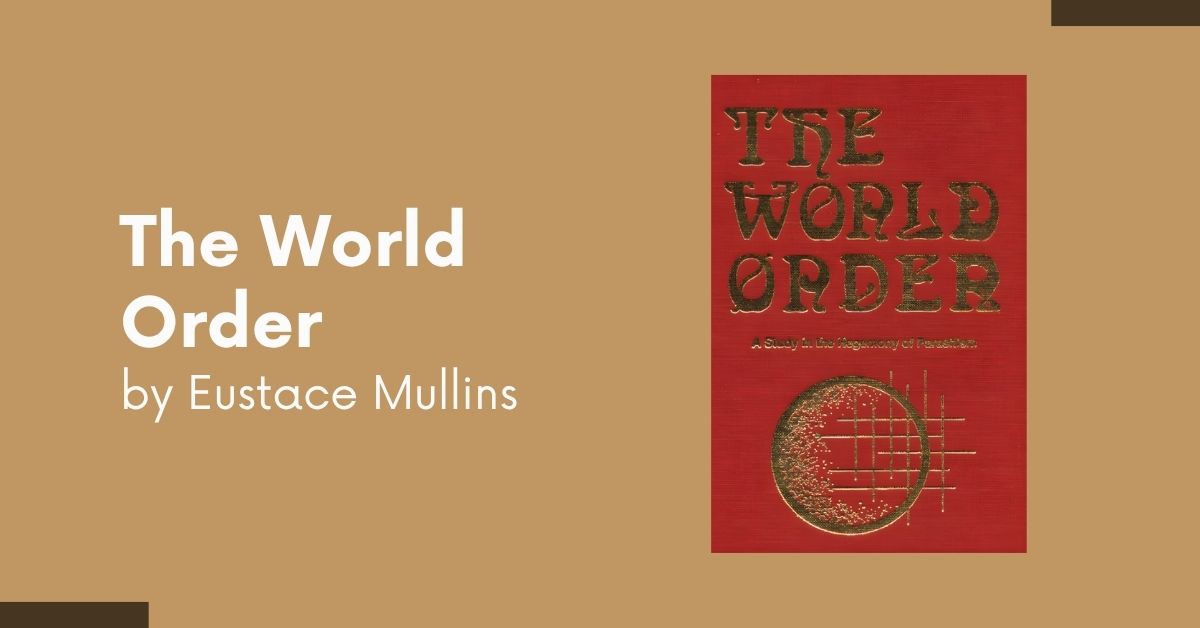
World Order examines Mullins’ perspective on global politics, international institutions, and the forces that he argues shape world events. The book discusses the role of financial systems, secretive organizations, and political networks in influencing governments, economies, and societies worldwide.
Read Extended Abstract
World Order by Eustace Mullins explores the structures and mechanisms that the author claims govern international relations and global governance. Mullins focuses on the influence of financial institutions, multinational organizations, and elite networks in shaping political and economic decisions across nations. The book addresses the interplay between centralized banking, international law, diplomacy, and covert organizational influence, arguing that these elements collectively establish patterns of control over national policies and global events. While written from a critical and partisan perspective, World Order provides insight into mid-20th-century conspiracy-oriented interpretations of global politics and financial systems, and is frequently referenced in studies of alternative historical and political narratives.