
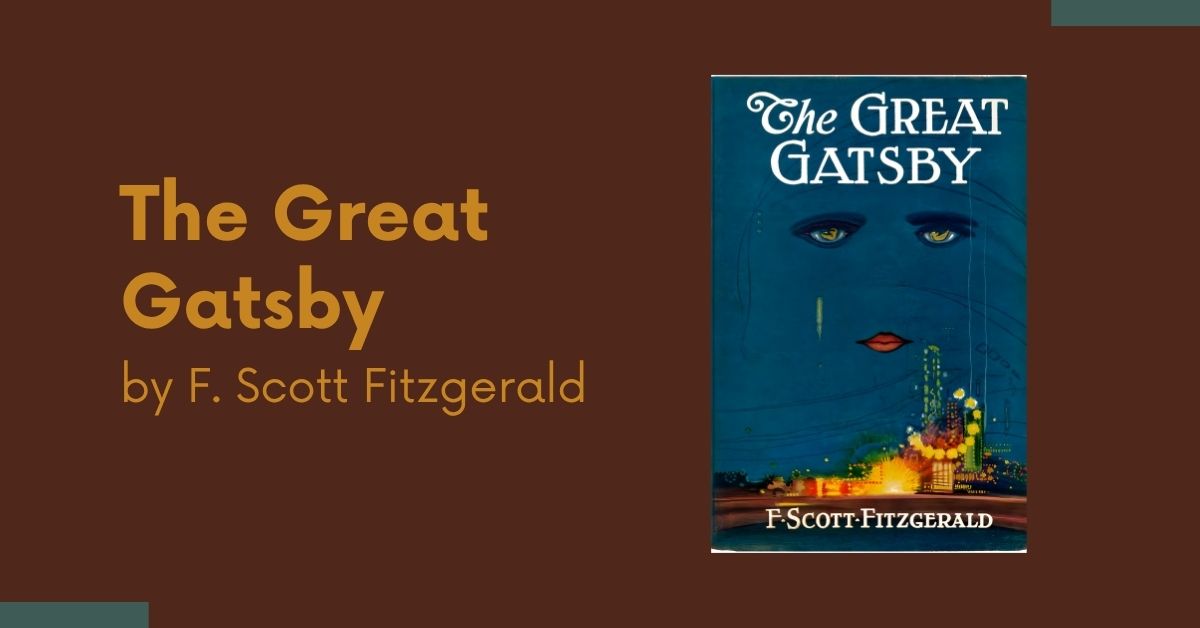
Categories:
Fiction Historical Fiction Romance TragedySummary
The Great Gatsby follows Jay Gatsby, a wealthy and enigmatic man, as he pursues his obsession with Daisy Buchanan during the opulent Roaring Twenties. Through Gatsby’s rise and eventual downfall, the novel explores themes of ambition, love, social status, and the elusive nature of the American Dream.
Read Extended Abstract
The Great Gatsby by F. Scott Fitzgerald is a novel set in the 1920s, chronicling the life of Jay Gatsby, a wealthy and mysterious man known for his extravagant parties on Long Island. Narrated by Nick Carraway, Gatsby’s neighbor and confidant, the story explores Gatsby’s obsessive pursuit of his former love, Daisy Buchanan, highlighting the tension between idealized dreams and harsh reality. Fitzgerald examines the moral and social decadence of the Roaring Twenties, exposing the emptiness behind wealth, status, and glamour. Through themes such as the American Dream, social stratification, love, and obsession, the novel critiques the notion that material success leads to fulfillment. Gatsby’s rise and tragic fall serve as a cautionary tale about the dangers of ambition detached from reality, the fragility of idealism, and the societal forces that shape human desire and disappointment.